

































What Is A Travel Credit Card?
A travel credit card is a type of credit card that lets you earn travel-related rewards from your spending, such as air miles, cashback, airport lounge access, travel insurance coverage, and other travel privileges.
Unlike paying with cash or a debit card, using a travel credit card for eligible purchases allows you to collect rewards from money you are already spending. These rewards can later be used for travel-related benefits depending on your card’s rewards programme.
Take Aina, who is planning a trip to Japan next year. While saving for her flights and accommodation, she uses her travel credit card for everyday expenses like groceries, dining, bills, and online shopping. By the time her trip gets closer, she has collected rewards from her usual spending instead of only earning benefits when she travels.
The best travel credit card depends on your travel habits. Someone who wants flight rewards may prioritise air miles, while another traveller may find more value from cashback, flexible rewards, or airport privileges.
How Travel Credit Cards Work
A travel credit card lets you earn reward points or air miles on eligible spending, which can later be redeemed for travel-related benefits such as flights, hotel stays, airport lounge access or travel upgrades, depending on the card's rewards programme.
Travel credit cards don't all reward spending in the same way. Some cards award air miles directly through a participating airline's loyalty programme, while others earn bank reward points that can be converted into air miles or hotel loyalty points with participating travel partners. If you regularly fly with a specific airline, earning miles directly may be more convenient. If you prefer flexibility, a card with transferable reward points gives you more redemption options across multiple airlines or hotel programmes.
For example, Aina spends RM4,000 a month on a travel credit card that earns 1 reward point for every RM2 spent on eligible transactions.
Monthly rewards
RM4,000 ÷ RM2 = 2,000 reward points
After one year
2,000 × 12 months = 24,000 reward points
Depending on the card, these reward points may later be converted into air miles with participating airline loyalty programmes.
However, two people spending the same RM4,000 a month may not earn the same value from their travel credit cards. Some cards offer higher rewards on overseas spending, airline bookings or hotel stays, while others reward a wider range of everyday purchases. The value of your rewards also depends on the participating airline and hotel partners, conversion ratios, redemption options and any applicable expiry periods.
Before choosing a travel credit card, compare not only how quickly you can earn reward points or air miles, but also how easily you can convert and redeem them for the travel benefits you are most likely to use.
What Affects the Value of Your Travel Rewards?
The number of points or air miles you earn is only one part of a travel credit card's rewards programme. The overall value also depends on how easily you can convert and redeem your rewards for trips you actually plan to take.
Before choosing a travel credit card, compare these factors:
- Airline and hotel partners: Check whether the card supports the airlines or hotel loyalty programmes you use most often.
- Conversion ratios: Compare the conversion ratio between reward points and air miles, as it varies between banks and airline loyalty programmes.
- Minimum transfer requirements: Some banks require a minimum number of reward points before you can convert them into air miles or hotel rewards.
- Redemption availability: Award flights and hotel redemptions may be subject to availability, particularly during peak travel periods.
- Expiry periods: Reward points and air miles may expire depending on the bank's rewards programme or the airline's loyalty programme.
- Taxes and other applicable fees: Redeeming flights with air miles may still require you to pay taxes, airport charges and other applicable fees, depending on the airline and fare conditions.
A travel credit card provides the best value when its rewards programme matches how you travel. Compare how rewards are earned, transferred and redeemed, rather than focusing only on how many points or miles you can collect.
Types Of Travel Credit Cards
Travel credit cards usually focus on different benefits, such as earning air miles, getting flexible rewards, enjoying airport privileges, or receiving cashback.
Understanding these differences helps you choose a card based on how you travel instead of simply choosing the card with the longest list of benefits.
Air Miles Credit Cards
Air miles credit cards help you convert your spending into miles that can be redeemed through participating airline programmes.
These cards usually suit travellers who fly regularly because they have more opportunities to collect and use their miles. Daniel travels overseas several times a year, so earning miles from his spending helps him work towards future flight redemptions.
Before choosing an air miles card, check the airline partners, conversion rates, redemption availability, and expiry rules. A high miles earning rate is only useful if you can redeem the miles effectively.
Flexible Rewards Credit Cards
Flexible rewards credit cards let you collect bank reward points first before deciding how to redeem them.
Depending on your card, these points may be converted into air miles, hotel rewards, vouchers, products, or other redemption options.
Mei enjoys comparing airlines and travel deals before booking. A flexible rewards card gives her more choices because she does not need to commit to one airline programme from the start.
Cashback Travel Credit Cards
Cashback travel credit cards give you direct savings by returning a percentage of your eligible spending.
This may suit travellers who prefer straightforward rewards instead of managing miles conversion, airline programmes, or expiry dates.
Airport Lounge Access Credit Cards
Airport lounge access credit cards focus on making your airport experience more comfortable before your flight.
Depending on the card, you may get access to selected airport lounges with facilities such as seating areas, food, drinks, WiFi, and charging stations.
These cards are usually more useful for frequent travellers, business travellers, or those taking long-haul flights. Check the number of complimentary visits, participating lounges, and spending requirements because every card has different conditions.
Travel Credit Card Benefits
Travel credit cards provide benefits that can support your trip before and during your travels. These benefits vary depending on the card, so check the conditions before applying.
Airport Lounge Access
Airport lounge access lets eligible cardholders enter participating lounges before their flights.
This can be useful during long waits, flight delays, or layovers because lounges usually provide a more comfortable space compared to regular airport waiting areas.
Complimentary Travel Insurance
Some travel credit cards include complimentary travel insurance coverage for situations such as travel accidents, flight delays, or lost luggage.
However, coverage is not always automatic. Some cards require you to pay for your flight ticket or travel expenses using the card before protection applies.
Overseas Spending Rewards
Some travel credit cards reward you more when you spend overseas or make purchases in foreign currency.
This can help you collect rewards faster during your trip, but compare the rewards earned with any foreign transaction fees charged by your card.
Airline And Hotel Privileges
Some cards offer additional travel benefits through airline and hotel partners, such as special promotions, rewards conversion, hotel privileges, or airport services.
These benefits usually provide more value when they match brands and services you already use.
Best Travel Credit Cards In Malaysia
The best travel credit card depends on whether you want simple rewards, flexible redemption options, air miles, or premium travel benefits. After comparing the rewards structure, fees, and travel features, choose a card that matches how you actually spend and travel.
Here are some travel credit cards in Malaysia for different types of travellers.
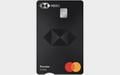
HSBC TravelOne Credit Card
The HSBC TravelOne Credit Card is suitable for travellers who want flexible travel rewards without being tied to one airline programme.
Mei usually compares different airlines and destinations before booking her trips. A card with multiple travel partners gives her more flexibility when deciding how to use her rewards.
| Feature | Details |
|---|---|
| Rewards | Earn up to 8X Reward Points on eligible overseas spending |
| Annual Fee & Monthly Income Requirement |
|
| Travel Benefits | Instant rewards redemption, airline partners, hotel partners, and travel privileges |
| Best For | Travellers who want flexible redemption options across different travel brands |
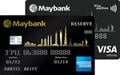
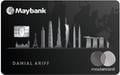
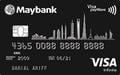
Maybank 2 Cards Premier
The Maybank 2 Cards Premier is suitable for travellers who want to collect rewards from everyday spending and convert them into travel rewards. Aina may not travel every month, but she wants her regular expenses to contribute towards future trips. A flexible rewards card allows her to collect points from her spending without focusing only on one airline.
| Feature | Details |
|---|---|
| Rewards | Earn up to 5X TreatsPoints for every RM1 spent on eligible transactions |
| Annual Fee and Monthly Income |
|
| Travel Benefits | Convert TreatsPoints into air miles and enjoy travel privileges |
| Best For | Travellers who want flexible miles conversion from everyday spending |
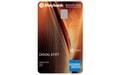
Maybank Singapore Airlines KrisFlyer American Express Platinum Credit Card
The Maybank Singapore Airlines KrisFlyer American Express Platinum Credit Card is suitable for travellers who regularly fly with Singapore Airlines and prefer direct miles earning. Daniel frequently chooses Singapore Airlines for his trips. Instead of collecting bank reward points first, earning KrisFlyer miles directly makes it easier for him to build rewards under one airline programme.
| Feature | Details |
|---|---|
| Rewards | Earn up to 5 KrisFlyer miles for every RM1 spent on eligible Singapore Airlines, Scoot, and KrisShop purchases |
| Annual Fee and Monthly Income |
|
| Travel Benefits | Direct KrisFlyer miles earning, Singapore Airlines privileges, and complimentary travel insurance coverage |
| Best For | Frequent Singapore Airlines travellers who want straightforward air miles collection |
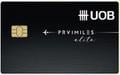
UOB PRVI Miles Elite Credit Card
The UOB PRVI Miles Elite Credit Card is suitable for frequent travellers who want stronger miles earning potential and premium travel features. Travellers who fly several times a year are more likely to maximise benefits such as miles conversion, lounge access, and travel privileges.
| Feature | Details |
|---|---|
| Rewards | Earn up to 5X UNI$ on eligible overseas spending |
| Annual Fee and Monthly Income |
|
| Travel Benefits | Air miles conversion, airport lounge access, and premium travel privileges |
| Best For | Frequent travellers who want to maximise miles and travel benefits |
CIMB Travel World Elite Credit Card
The CIMB Travel World Elite Credit Card is suitable for travellers who want premium benefits and higher rewards from travel spending. This card provides better value for travellers who can regularly use premium features instead of only collecting rewards.
| Feature | Details |
|---|---|
| Rewards | Earn up to 10X Bonus Points on eligible overseas, airline, and selected spending categories |
| Annual Fee and Monthly Income |
|
| Travel Benefits | Airport lounge access, travel insurance coverage, and premium travel privileges |
| Best For | Premium travellers who prioritise travel comfort and exclusive benefits |
How To Choose A Travel Credit Card
The best travel credit card depends on your travel habits, spending pattern, and the rewards you can realistically use.
Compare Rewards Value
Look beyond the number of points advertised and check the actual value you receive.
A card offering higher points does not always mean better rewards because conversion rates differ between banks and airline programmes.
Check The Annual Fee
Compare the annual fee with the benefits you expect to use.
Premium cards usually offer more travel privileges, but they provide better value when you travel often enough to maximise those benefits.
Review Travel Benefits
Check the conditions behind benefits such as:
- Airport lounge access limits
- Travel insurance requirements
- Airline and hotel partners
- Overseas spending rewards
A benefit is only valuable when it matches how you travel.
Check Eligibility Requirements
Review the minimum income requirement before applying.
Entry-level travel cards usually have lower requirements, while premium travel cards with more benefits often require higher monthly income.
Is A Travel Credit Card Worth It?
A travel credit card is worth it if the rewards and benefits you use are higher than the cost of owning the card.
A card with more benefits is not automatically better. The right card depends on whether you actually use features such as miles redemption, lounge access, travel insurance, and partner privileges.
Daniel pays a RM300 annual fee for his travel credit card. Throughout the year, he receives:
- RM250 worth of flight rewards
- RM200 worth of airport lounge access
- Travel insurance coverage for his trips
Since he regularly uses these benefits, the value received is higher than the annual fee.
However, Aina may look at value differently. If she only travels once or twice a year, a lower-fee card with flexible rewards may be more practical than a premium card with benefits she rarely uses.
Should You Choose An Airline Miles Card Or Flexible Rewards Card?
An airline miles card is usually better if you regularly fly with the same airline, while a flexible rewards card gives you more choices across different travel partners.
Airline miles cards earn rewards with a specific airline programme, making them simpler for loyal travellers. However, your rewards are tied to that airline.
Flexible rewards cards allow you to collect bank points first and decide where to transfer them later. This may work better if you compare airlines based on destination, price, or availability.
How To Maximise Your Travel Credit Card
A travel credit card works best when you understand how to earn rewards efficiently and use the benefits available to you.
The goal is to earn more value from spending you already planned, not increase your expenses just to collect rewards.
Use The Right Spending Categories
Different cards reward different types of spending.
Some cards give higher rewards for overseas transactions, airline bookings, dining, or online purchases. Using your card for the right categories helps you collect rewards faster.
Understand Your Rewards Programme
Knowing how your rewards work helps you avoid collecting points or miles you cannot use.
Check your conversion rates, airline partners, redemption options, and expiry dates so you know when and how to use your rewards.
Pair Your Travel Card With The Right Everyday Card
A travel credit card may not always give the highest rewards for every spending category.
Some travellers use their travel card for flights, overseas spending, and travel benefits while using a cashback or rewards card for everyday expenses such as groceries, petrol, and dining.
Check Your Travel Insurance Before Flying
Complimentary travel insurance from your credit card can be useful, but understand the activation requirements before your trip.
Some cards require your flight ticket or travel expenses to be charged to the card before coverage starts. If you redeem your flight fully with miles, your card insurance may not apply.
Pay Your Balance In Full
Paying your credit card balance in full helps you avoid interest charges.
The value of your miles, cashback, or travel benefits can quickly disappear if your interest charges become higher than your rewards.
How To Apply For A Travel Credit Card
You can apply for a travel credit card online once you have found a card that matches your spending habits, income, and travel needs.
Before applying, check the card’s eligibility requirements and prepare the necessary documents. Most banks require details such as your income information, employment details, and supporting documents like payslips or income statements.
You can compare travel credit cards through RinggitPlus based on rewards, annual fees, income requirements, and travel benefits. After choosing your preferred card, complete your online application and submit the required details.
You can also check available sign-up offers or promotions when applying through RinggitPlus.
Once your card is approved, review your rewards programme, fees, and travel benefits so you understand how to maximise your card before your next trip.
Frequently Asked Questions (FAQs)
What is a travel credit card used for?
A travel credit card is used to earn travel-related rewards and benefits from your spending, such as air miles, reward points, cashback, airport lounge access, and travel insurance coverage.
You can earn rewards from everyday spending like dining, shopping, and bills, not only from flight or hotel bookings. These rewards can then be redeemed based on your card’s rewards programme.
How do I earn air miles with a credit card in Malaysia?
You can earn air miles through a credit card either directly with an airline programme or by converting your bank reward points into miles.
Airline-linked cards usually credit miles directly into a specific airline programme, while flexible rewards cards let you collect points first before transferring them to participating airline partners.
Is cashback or air miles better for travelling?
Cashback is better if you prefer simple savings, while air miles may provide more value if you travel regularly and know how to redeem them.
Air miles can help with flight redemptions, but you need to consider conversion rates, airline availability, and expiry dates. Cashback is easier to manage because you receive direct savings from your spending.
Can I access airport lounges when flying economy class?
Yes, you can access airport lounges while flying economy class if your credit card provides eligible lounge privileges.
Airport lounge access depends on your credit card benefits, participating lounges, and entry conditions rather than your flight ticket class.
Do travel credit cards charge foreign transaction fees?
Yes, most travel credit cards charge foreign transaction fees when you spend overseas or make purchases in another currency.
Some cards offer higher overseas rewards to balance out these charges, but compare the rewards earned with the fees before deciding which card to use abroad.
Do credit card points and air miles expire?
Yes, credit card points and air miles can expire depending on your bank or airline loyalty programme.
Bank reward points follow your card issuer’s validity period, while miles transferred to airline programmes follow the airline’s expiry rules. Check your balance regularly so you can redeem your rewards before they expire.
Does credit card travel insurance cover flights redeemed with miles?
Credit card travel insurance may not apply to flights fully redeemed using miles because many cards require you to pay for your travel expenses using the card.
Before travelling, check your card’s insurance activation requirements, coverage limits, and exclusions. You may need separate travel insurance if your card coverage does not apply.
What happens to my points if I cancel my travel credit card?
Your unused points may be removed when you cancel your travel credit card, depending on your bank’s terms.
Before closing your card account, check whether you can redeem your points or transfer them to an airline loyalty programme.
Why was my travel credit card application rejected?
A travel credit card application may be rejected if you do not meet the bank’s income, eligibility, or credit assessment requirements.
Common reasons include incomplete documents, high existing financial commitments, or issues shown in your credit records.
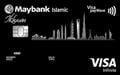
Are there Islamic travel credit cards in Malaysia?
Yes, there are Islamic credit cards in Malaysia that offer travel-related benefits while following Shariah principles.
Depending on the card, you may still enjoy features such as rewards, airport lounge access, and travel coverage through a Shariah-compliant structure.