






















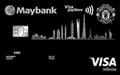
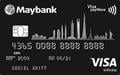

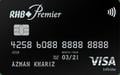




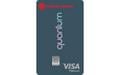
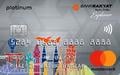
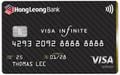

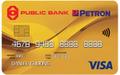































What Is A Credit Card?
A credit card lets you buy now and repay the bank later, up to a credit limit the bank sets for you. A debit card takes the money from your account straight away. A credit card spends the bank's money first, and you settle it when the statement arrives.
Depending on the card, you can earn cashback on everyday spending, collect reward points, earn air miles or get travel perks such as airport lounge access. Some cards also come with sign-up gifts during selected promotions. Before you apply, read the card's product disclosure sheet and the bank's summary of its fees and repayment terms.
RinggitPlus compares credit cards from 19 banks and providers by cashback, rewards, air miles, annual fee and minimum income. We check each card against the bank's published terms, and this page was last updated on 6 November 2026.
Key Takeaways
- To apply for a card in your own name, you need to be at least 21 and earn at least RM24,000 a year (RM2,000 a month). Some cards set a higher minimum.
- Pay the full amount on your monthly statement by the due date and you pay no finance charges (interest) on eligible retail purchases. Unpaid balances are usually charged 15% to 18% p.a.
- Basic cards from Alliance Bank, Maybank Islamic and CIMB cap that rate at 14% p.a. and have no annual fee. The RM25 yearly service tax still applies.
- The monthly cap and the eligible categories decide what a cashback card pays you. A 10% rate with a low cap can pay less than 5% with a high one.
- Banks also check your CCRIS record, the credit history Bank Negara Malaysia keeps on you, and your existing commitments before they approve you.
Should You Get A Credit Card?
A credit card suits you if you can repay the full amount on your statement every month. It pays off when it rewards spending you'd do anyway, such as groceries, petrol or dining, in cashback, points or miles.
It doesn't suit you if you tend to spend more than you can repay, or if existing commitments already stretch your budget. The card then adds debt at 15% to 18% a year. A debit card is the better fit if you'd rather spend only what's in your account. Our guide on when not to use your credit card covers expenses such as car deposits, wedding bills and home loan instalments, where another option costs less.
What Is The Difference Between A Credit Card And A Debit Card?
A credit card spends your bank's money and you repay it later, while a debit card spends your own money immediately. The table compares where the money comes from, how you repay, rewards, charges, spending limit and credit history.
| Feature | Credit Card | Debit Card |
|---|---|---|
| Where the money comes from | Borrowed from your approved credit limit | Money in your bank account |
| How you pay | Repay the bank after your statement | Deducted immediately |
| Rewards | May offer cashback, reward points, air miles or travel benefits | Limited rewards, depending on your bank |
| Interest (finance charges) | Applies if you don't repay the full amount on your statement | None |
| Spending limit | Your approved credit limit | The available balance in your account |
| Credit history | Responsible use can help build your credit profile | Doesn't typically contribute to your credit history |
Many people use both. A debit card handles everyday banking and cash withdrawals, and a credit card earns rewards on purchases you'd make anyway, provided you repay in full.
How Does A Credit Card Work?
You spend against your credit limit, and the bank bills you once a month. Every purchase reduces your available limit and every repayment restores it. With a RM5,000 limit, spending RM1,000 leaves RM4,000 available until you repay.
Each month, the bank adds up your purchases and sends a statement. This is your billing cycle. It shows what you owe (the statement balance), the smallest amount you can pay (the minimum payment) and the date it's due.
Paying the minimum keeps your account in good standing but doesn't clear the balance. Whatever you leave unpaid attracts finance charges. Pay the full statement balance and you keep earning cashback, points or miles without paying finance charges on eligible retail purchases.
How Does The Interest-Free Period Work?
If you repay your statement balance in full by the due date, you pay no finance charges on eligible retail purchases. Most cards give you 20 days after your statement date to pay. A purchase made early in the billing cycle therefore has more time before the due date than one made just before the statement date.
Repay only part of the statement balance and you lose the interest-free period. Many banks then charge interest on the whole balance from the day each purchase posts, not only on what's left, so check your card's terms. Cash advances and some other transactions don't qualify for the interest-free period at all and attract finance charges from the day you make them.
On RM8,000 left unpaid, 15% p.a. costs RM100 a month in finance charges and 18% p.a. costs RM120.
How Much Interest Do Credit Cards Charge?
Most credit cards charge 15% to 18% a year on balances you don't clear by the due date. The rate you get depends on your payment record over the past 12 months. Under Bank Negara Malaysia's tiered rates, paying on time every month earns 15%, on time in 10 or 11 months earns 17% and anything worse is 18%. Banks can set their own tiers, so check your card's terms.
The rate on the card you hold is in its product disclosure sheet. If you carry a balance, a lower rate is the quickest way to cut the cost, and basic cards now offer a flat 14%.
What Are Basic Credit Cards With 14% Interest?
Basic credit cards charge one flat rate of 14% a year on unpaid balances and have no annual fee. Prime Minister Anwar Ibrahim highlighted them when he tabled Budget 2027 on 9 October 2026, and three banks already offer them.
| Credit Card | Rate On Unpaid Balance | Minimum Income (RM/month) | Annual Fee | Cashback |
|---|---|---|---|---|
| Alliance Bank Visa Basic Credit Card | 14% p.a. | RM2,000 | Free | No |
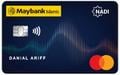
| Maybank Islamic Nadi Mastercard Credit Card-i | 14% p.a. (profit rate) | RM2,000 | Free | No |
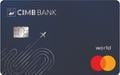
| CIMB Lite-i Credit Card | 14% p.a. (profit rate) | RM2,000 | Free | No |
Pay your full statement balance by the due date and you pay no interest or profit on purchases. If you don't, Alliance Bank charges 14% on your total outstanding balance. The RM25 yearly service tax still applies to each card. Alliance Bank's card moved to 14% on 1 October 2026, and Maybank Islamic Nadi applications opened in October 2026. Alliance Bank's minimum payment is 5% of the amount owed or RM50, whichever is higher. On RM3,000 carried for a year, 18% costs RM540 and 14% costs RM420, a difference of RM120. Interest accrues daily, so your actual charges will differ slightly.
A lower rate only saves you money if you carry a balance. If you pay in full each month, you pay no interest on either type, and a card that earns cashback or points may suit you better. None of these three cards offers cashback. Our Budget 2027 report on basic credit cards has the full details.
How Do You Choose The Right Credit Card?
Start with where you spend the most each month, then compare cards in the category that rewards that spending. Three questions narrow it down: where does most of your money go, do you prefer cashback, points or miles, and do the benefits cover any annual fee?
Take two hypothetical cards. Card A pays 10% cashback capped at RM20 a month, which you hit at RM200 of eligible spending. Card B pays 5% capped at RM50 a month, which you hit at RM1,000. If you spend RM1,000 a month in the category, Card A pays RM20 and Card B pays RM50.
The table matches common spending habits to the card category for comparison and the conditions that decide what you earn.
| If You Want To | Compare | Check |
|---|---|---|
| Save on everyday spending | Cashback cards | Cashback caps and eligible categories |
| Earn travel benefits | Travel cards | Air miles and travel perks |
| Collect flexible rewards | Rewards cards | Redemption options and point expiry |
| Cut the cost of owning a card | No annual fee cards | Whether the waiver is automatic or conditional |
Cards in the same category still differ in caps, fees and requirements, so compare at least two or three. If you're thinking of adding another card, read our guide on how many credit cards you should have.
What Types Of Credit Cards Are Available?
Cards differ in what they reward: everyday spending, travel, fuel, flexible points or a specific financial need.
Cashback Credit Cards
Cashback cards return a percentage of your eligible spending as a rebate on your bill. They suit you if you spend regularly on groceries or petrol. When you compare cashback cards, look at the monthly cap, the eligible categories and any minimum spend, not only the rate. If you shop online, check whether online purchases and e-wallet top-ups count as eligible. The Alliance Bank Visa Virtual earns 8 points per RM1 on both, capped at RM3,000 per statement cycle. The HSBC Amanah MPower Platinum-i counts e-wallets towards its 8% cashback above RM2,000 monthly spend.
Travel Credit Cards
Travel cards earn air miles and travel perks such as airport lounge access and complimentary travel insurance. Some pay more on overseas spending and others also reward local spending, so compare how quickly you earn miles and where you can redeem them. A travel credit card pays for itself only if you use the perks often enough to cover its fee.
Rewards Credit Cards
Rewards cards earn points on your spending, which you redeem for vouchers, products or air miles. Banks differ in redemption rates, catalogues and expiry periods.
Petrol Credit Cards
Petrol credit cards reward fuel spending through cashback, points or discounts. Our comparison includes cards tied to Shell, PETRONAS and Petron. If you refuel at one brand, a brand-specific card can pay more. If you split your fuel between stations, a broader cashback card may suit you better.
Islamic Credit Cards
Islamic credit cards follow Shariah principles and still offer cashback, points, air miles and other benefits. Many use a Shariah-compliant contract called Tawarruq and charge a profit rate instead of interest. Some, such as the Maybank Islamic Nadi Mastercard Credit Card-i, are open to everyone regardless of religion. You compare rewards, fees and eligibility the same way as with a conventional card.
No Annual Fee Credit Cards
No annual fee credit cards remove or waive the yearly fee. Some waive it for life and others only if you meet a spending condition, so check whether the waiver is automatic. Even a free card carries the RM25 yearly service tax, which banks can't waive. Cancelling before your anniversary month avoids paying it again, and our guide covers what to check before you cancel a credit card. A card with an annual fee isn't automatically worse if you use its benefits often. Our guide to waiving credit card annual fees covers how to ask.
Balance Transfer Credit Cards
A balance transfer moves what you owe on one credit card to another, usually at 0% or a low rate for a fixed period. It differs from an easy payment plan, which converts a new purchase into instalments. Our guide to balance transfers versus easy payment plans explains when each fits. Read "How Do Balance Transfers Work?" further down the page for the rates, fees and tenures.
Which Banks Offer Credit Cards?
If you already bank with a provider, its cards keep your accounts in one place. RinggitPlus compares cards from these banks and providers.
- Local banks: Maybank credit cards, CIMB credit cards, Public Bank credit cards, Hong Leong Bank credit cards, RHB credit cards, AmBank credit cards, AFFIN Bank credit cards, Alliance Bank credit cards, BSN credit cards, Bank Rakyat credit cards
- Islamic banking providers: Bank Islam credit cards, AFFIN Islamic Bank credit cards, HSBC Amanah credit cards, Public Islamic Bank credit cards, Al Rajhi Bank Malaysia credit cards
- International banks: HSBC credit cards, Standard Chartered credit cards, UOB credit cards, OCBC credit cards, ICBC credit cards
- Other credit providers: AEON Credit Service credit cards
Each bank sets its own cashback rates, reward programmes, travel benefits, annual fees and eligibility requirements. UOB took over Citi's consumer banking business in Malaysia, including its credit cards, on 1 November 2022, so Citibank card searches now lead to UOB.
One Card From Each Category
The table shows one card from each category, using the minimum income, annual fee and cashback rate listed on its RinggitPlus card page. These are examples from our comparison, not a ranking or a recommendation. Click through for the full terms.
| Category | Credit Card | Minimum Income (RM/month) | Annual Fee | Cashback | Key Benefit |
|---|---|---|---|---|---|
| Petrol and cashback | RHB Shell Visa | RM2,000 | Free* | Up to 12% | Up to 12% cashback at Shell with RM3,000 monthly Shell spend, capped at RM30 a month |
| Cashback | UOB ONE Card | RM3,000 | Free* | Up to 10% | Up to 10% on petrol, dining, selected groceries and Grab with RM1,500 monthly spend, capped at RM15 a category |
| Petrol | CIMB PETRONAS Visa Platinum-i | RM2,000 | Free | Up to 8% | Cashback at PETRONAS stations |
| Islamic cashback | HSBC Amanah MPower Platinum-i | RM8,500 | Free* | Up to 8% | 8% cashback on petrol, groceries and e-wallets over RM2,000 monthly spend |
| Travel | HSBC TravelOne | RM8,500 | Free* | No | 8X points on overseas spend plus 6 free airport lounge visits a year |
| Travel | Standard Chartered Journey | RM8,000 | Free* | No | Air miles and travel privileges |
| Premium travel | Maybank American Express Platinum | RM5,000 | RM800 (first year free) | No | Up to 5X points on groceries, petrol and selected categories, and up to RM700,000 travel accident cover when you charge your fares to the card |
| No annual fee | Alliance Bank Visa Virtual | RM2,000 | Free | No | Bonus points on online shopping and e-wallet reloads, and Dynamic Card Number security |
An asterisk means conditions apply to the fee. Benefits, fees and promotions change, so check the card page again before you apply.
What Fees And Charges Do Credit Cards Have?
Every active credit card carries a RM25 yearly service tax, and many add an annual fee, finance charges and late payment charges. The table lists the common ones.
| Fee | What It Is | When It Applies |
|---|---|---|
| Annual fee | A yearly membership fee set by the bank | According to the card's terms, and some are waived |
| Service tax | RM25 a year for each principal and supplementary card | Once a year for each card, on top of any annual fee |
| Finance charge | Interest, or profit on an Islamic card, on your unpaid balance | When you don't repay the statement balance in full |
| Late payment charge | A fee for paying after the due date | When payment arrives late. The RHB Shell Visa and UOB ONE Card charge RM10 or 1% of the outstanding amount, whichever is higher. The Alliance Bank Visa Basic caps the same charge at RM100. Check your own card's product disclosure sheet |
| Other charges | Cash advance, overseas spending and instalment plan fees | Depending on the bank and the transaction |
Some banks also sell optional debt insurance on your card balance. Our guide explains how credit card debt insurance works and whether you need it. A card with a RM100 annual fee costs RM125 a year once the service tax is added. A frequent traveller who gets more than that back in air miles and lounge visits comes out ahead. Someone who wants a simple card for groceries may do better with a no-annual-fee card.
Who Can Apply For A Credit Card In Malaysia?
To apply for a principal credit card, which is a card in your own name, you need to be at least 21, earn at least RM24,000 a year (RM2,000 a month) and show proof of income. Bank Negara Malaysia (BNM) set the RM24,000 minimum income for new cardholders in 2011. Many cards set a higher bar. The Maybank 2 Gold Cards need RM2,500 a month and the Maybank 2 Platinum Cards need RM5,000 a month.
| Requirement | What Banks Usually Check |
|---|---|
| Age | At least 21 for a principal cardholder |
| Minimum income | RM24,000 a year (RM2,000 a month), higher on some cards |
| Identity | MyKad (front and back), or a passport for non-Malaysians |
| Proof of income | Your last three months of payslips or an EPF statement |
| Self-employed documents | Business registration documents plus six months of bank statements, the latest Form B (your income tax return), or both, depending on the bank |
Two more BNM rules apply if you earn RM36,000 a year (RM3,000 a month) or less. You can hold cards from two banks at most, and each bank's limit can't exceed twice your monthly income. On RM2,500 a month, that means a limit of RM5,000 per bank. Retirees are exempt from the income requirement and both limits.If you can't show income, a fixed deposit-backed card needs no proof. Read how secured credit cards work. Non-Malaysians apply with a passport plus a work permit or an employer letter, and some banks ask for more income.
Meeting the minimums doesn't guarantee approval. Banks check your CCRIS report and your existing commitments first. Our eligibility tool lists the cards you're most likely to get.
How Do Banks Decide Your Credit Card Limit?
Banks set your limit from your income, your existing loans and cards, and your repayment history. They check your CCRIS report, which covers the past 12 months of repayments, and missed payments show up on it. Credit bureaus such as CTOS draw on CCRIS and other sources to build their own reports.
A higher income doesn't automatically earn the highest limit, because banks look at whether you can manage the repayments. A bank can't raise your limit until you accept the increase. To ask for a higher one, read our guide on how to increase your credit card limit. See why your credit score matters before you apply for more credit. You can also get your CCRIS report from Bank Negara Malaysia.
Supplementary Credit Cards
A supplementary card gives another person, such as a family member, their own card on your account. Their spending counts against your limit and you stay responsible for repaying it. Each supplementary card also carries the RM25 yearly service tax. Check its spending limit and any fee before you add one.
How To Apply For A Credit Card Online With RinggitPlus
You can apply for a credit card through RinggitPlus without visiting a branch. Compare cards by cashback, rewards, annual fee, minimum income and sign-up offers, then click "Apply Now" on the one you want. You'll either go to the bank's application page or complete a RinggitPlus form that continues on WhatsApp.
Banks look at your income, repayment history and existing commitments when they assess an application. Use the DSR calculator to see how your commitments compare with your income, and read how DSR works. Our guide on how to apply for a credit card covers eligibility and how banks assess applications.
Have these documents ready:
- Your MyKad or other identification
- Proof of income, such as recent payslips or an EPF statement
- Business registration documents and bank statements, if you're self-employed
Then apply in six steps:
- Choose a card. Start with the eligibility tool, then compare minimum income and annual fee against your spending.
- Click "Apply Now" and complete the online application with your personal details, employment details and any existing loans.
- Upload your documents with the application, or when the bank asks for them.
- Wait for the bank's decision. It may call to confirm your details, and if you applied through RinggitPlus, you'll get an email with instructions to finish with the bank.
- Activate the card when it arrives and set your PIN.
- Check your application status with the bank, because RinggitPlus doesn't track it. If you were promised a sign-up gift, email [email protected] about its status.
Processing times differ by bank. Maybank says it updates you within 10 working days, and Hong Leong Bank takes about seven working days after it receives your documents.
Need help choosing? Chat with the RinggitPlus Cards Assistant on WhatsApp at +603-9078 0880 or email [email protected].
What Sign-Up Gifts And Promotions Are Available In 2026?
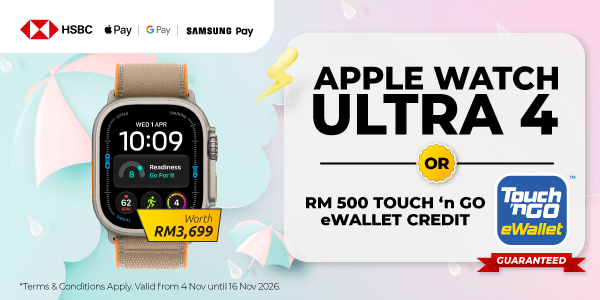
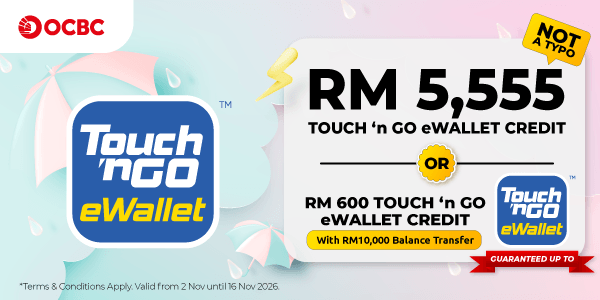
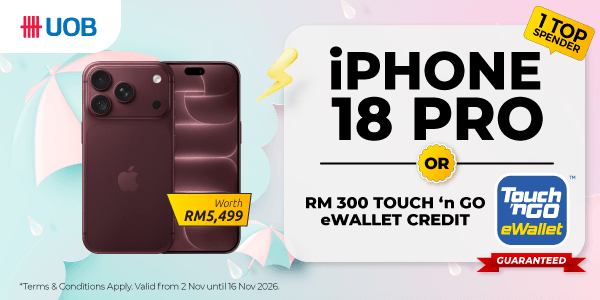
Many cards offer sign-up gifts or limited-time promotions to new applicants, such as cashback, shopping vouchers, gadgets or reward points. Our sign-up offers page lists the current ones. A sign-up gift is a one-off, so check the card's ongoing rewards, fees and spending requirements as well.
Banks also run merchant promotions for dining, shopping and travel. Some need a promo code, a minimum spend or a specific payment method, so read the terms before you use one.
Updated: 23 October 2026
|
FOOD AND DINING PROMOTION |
|||
| Bank | Merchant | Promotion | Expiry Date |
| AEON | Baskin Robbins | 50% OFF on King Single Scoop |
31 Mar 2027 |
| AFFIN Bank | Zus Coffee |
Buy 1, Get 1 on any drink every Tuesday Promo code: ZAFFB1F1 (Minimum spend RM10) Limited to 100 redemptions |
8 Dec 2026 |
| Bank Islam | Tealive |
RM5 OFF on drinks Promo code: BIMB5 (Minimum spend RM12) *Valid for in-app purchases only Limited to 3,000 redemptions per month |
30 June 2027 |
| CIMB | Me'nate | 5% OFF beef steak, lamb steak and lobster |
30 Apr 2027 |
| HSBC | Matcha Eight |
10% OFF on normal-priced items |
30 Apr 2027 |
| Hong Leong Bank | Salad Atelier | 10% OFF total order Promo code: BANK10 |
31 Jan 2027 |
| Maybank | Supamala Hotpot |
10% OFF on Deluxe Buffet sets *Valid from Monday to Thursday, except Public Holidays |
30 Apr 2027 |
| UOB | Heytea | 10% OFF on handcrafted beverages |
31 Dec 2026 |
|
SHOPPING PROMOTION |
|||
|
Bank |
Merchant | Promotion | Expiry Date |
| AEON | Tomei |
30% OFF on normal-priced diamond jewellery |
1 Jan 2027 |
| AFFIN Bank | Celovis | RM25 OFF via website Promo code: AFFIN25 (Minimum spend RM250) |
28 Feb 2027 |
| CIMB | Switch |
RM50 OFF on accessories (Minimum spend RM200) |
31 May 2027 |
| HSBC | M.A.C Cosmetics | (Minimum spend RM200) |
31 May 2027 |
| Hong Leong Bank | Bayu Somerset |
RM10 OFF Promo code: HLBS10 (Minimum spend RM150) |
14 Mar 2027 |
| Maybank | Kapten Batik |
10% OFF normal-priced items on website Promo code: KBMBB10 |
31 Dec 2026 |
| Standard Chartered |
COROS |
25% OFF all COROS Wearables & receive a complimentary gift |
31 Dec 2026 |
| UOB | Zalora |
12% OFF Promo code: UOBZAL2026 (Minimum spend RM250) *Capped at RM100 |
31 Dec 2026 |
|
HOTEL AND TRAVEL PROMOTION |
|||
| Bank | Merchant | Promotion | Expiry Date |
| Affin Bank | Colmar Tropicale, Berjaya Hills |
30% OFF Suite Best Flexible Rate 20% OFF Room Best Flexible Rate Booking via website |
30 June 2027 |
| BSN | M World Hotel | 10% OFF Best Available Room Rate Promo code: MWORLDBSN *Upon checkout and walk-in |
31 Dec 2026 |
| CIMB | Imperial Lexis |
Up to 15% OFF on dining and room stay booking via website Promo codes: ILKL26B* or ILKL26A *For selected credit cards |
30 Sept 2027 |
| Hong Leong Bank | TUI BLUE The Haven Ipoh |
10% OFF on selected rooms Promo code: VISA *Blackout dates apply |
30 Nov 2026 |
| HSBC | Grand Lexis Port Dickson |
Promo code: HSBC25B *Valid for selected HSBC Bank/HSBC Amanah Visa Credit Card/-i |
30 Nov 2026 |
| Maybank | Klook | 12% OFF on holiday bookings in Malaysia Promo code: KLK12MBB Capped at RM50 Limited to the first 120 redemptions per month |
31 Dec 2026 |
| UOB | Expedia |
7% OFF for hotel bookings via website Promo code: UOBMY7 |
31 Dec 2026 |
How to Use These Discounts
With Promo Codes: Enter the code during checkout online, or mention it at the merchant's counter. Some codes work only on specific platforms (app, website, in-store).
Without Codes: Simply present your eligible credit card at payment. The discount applies automatically if your card qualifies.
Important: Always verify you meet any conditions before heading to the merchant. Some offers have minimum purchase amounts, blackout dates, or limited redemptions per month. Check the asterisks in the tables above for specific restrictions.
How Do Balance Transfers Work?
A balance transfer moves what you owe on one credit card to another at a promotional rate. Before you apply, check the promotional rate, processing fee, repayment period, minimum payment and what happens to any balance left when the promotion ends. Our guide on what to check before applying for a balance transfer covers each one.
How Does The 0% Interest Period Work?
Most banks offer repayment periods (tenures) of 6, 12, 24 or 36 months. You pay a fixed monthly amount towards the transferred balance. The minimum payment is around 3% to 5% of what's left of the transferred amount, or a flat minimum, whichever is higher.
On an RM8,000 transfer, leaving the balance on a regular card at 15% to 18% p.a. costs RM100 to RM120 a month in interest. A 0% transfer removes that cost for the tenure, though most banks charge a one-time processing fee. The savings only hold if you clear most of the balance before the promotion ends.
Which Banks Offer Balance Transfers?
| Bank | Rate | Fee | Terms |
|---|---|---|---|
| RHB Smart Move Balance Transfer | 3.88% p.a. flat for 6 months, 4.88% p.a. flat for 12, 24 or 36 months | No processing fee | Minimum RM1,000, up to 80% of your available credit limit. Campaign runs 1 January to 31 December 2026 |
| CIMB Balance Transfer Plan | 5.99% p.a. for 6 months, 7.99% p.a. for 12 months | No upfront handling fee | Minimum RM1,000, up to 80% of your CIMB card limit. Minimum monthly repayment is 5% of the outstanding balance or RM50, whichever is higher. The rate applies only if you pay on time, and missed payments move it to 18% p.a. |
| Maybank Balance Transfer | 0% for 6 or 12 months (M2U only), 4.50% to 12% p.a. on the other plans | 1.88% for the 6-month and 3% for the 12-month 0% plan, plus 8% service tax on the fee | Minimum RM1,000 (RM2,000 for 36 months), up to RM50,000 on the 0% plans and 90% of your available limit on the others. No end date stated for the 0% plans |
RHB's flat rates work out to effective rates of 6.62% to 9.11% p.a., so compare effective rates when you weigh one plan against another. The effective rate is the true yearly cost once you account for repaying in instalments. Terms in the table were checked against each bank's page on 6 November 2026.
These are three of the 16 banks on our balance transfer page, where you can compare every plan side by side. Check each bank's rate, fee and limit before you apply, because they differ by plan.
What Happens When The Balance Transfer Promotion Ends?
Once the tenure ends, any balance left reverts to the card's standard finance charge, usually 15% to 18% p.a. A common slip is spending on your old cards once the transfer frees up their limits. That new spending doesn't get the promotional rate.
Compare current offers on our balance transfer comparison page, and use the debt service ratio (DSR) calculator to compare your monthly debt repayments with your income.
How Do You Use A Credit Card Safely?
Pay your statement balance in full before the due date, and set a payment reminder or an auto-debit so you don't miss it. Go through your banking app or statement for transactions you don't recognise, and switch on transaction alerts. Keep your PIN, OTP and online banking details private, because your bank will never ask for them over a phone call, message or email.
Many Malaysian banks also let you set transaction limits, temporarily block the card or control online and overseas transactions from their mobile app. Set these up before you need them. If your card is lost, stolen or used without your approval, contact your bank through its official channels straight away. Our guides cover what to do if your credit card is used for fraud and why a credit card gets blocked or frozen.
What Credit Card Mistakes Should You Avoid?
Paying Only The Minimum
The minimum payment isn't the same as paying your bill. On a RM3,000 statement, a 5% minimum is RM150. The remaining RM2,850 can carry finance charges of up to RM42.75 a month at 18% p.a. Our guide on when not to use your credit card calculates that paying only the minimum on RM3,000 takes 4 years 7 months. It costs RM1,055 in interest. If you're struggling to repay, contact your bank early and approach the Credit Counselling and Debt Management Agency (AKPK) for counselling and debt management help.
Taking A Cash Advance Without Knowing The Cost
A cash advance lets you withdraw cash on your credit card, but it usually comes with a fee and finance charges from the day you withdraw. Use your debit card or savings account for everyday cash.
Skipping The Reward Terms
A cashback card with a higher percentage may have a monthly cap, selected spending categories or a minimum spend. Points can have different redemption values or expiry periods depending on the bank. Read how the rewards work before you choose.
Credit Card Frequently Asked Questions (FAQs)
How do I apply for a credit card online in Malaysia?
Choose a card, complete the online application form and upload your MyKad and proof of income. You'll either go to the bank's application page or complete a RinggitPlus form that continues on WhatsApp. Proof of income is usually your last three months of payslips or an EPF statement, and self-employed applicants add business registration documents and bank statements. The bank may call to confirm your details, and you activate the card and set your PIN when it arrives. Our eligibility tool lists the cards you're most likely to get, and our guide covers how to apply for a credit card step by step. When you're ready, click "Apply Now" on the card you've picked.
What is the minimum salary for a credit card in Malaysia?
The minimum income for a principal credit card is RM24,000 a year, or RM2,000 a month. Bank Negara Malaysia set that minimum for new cardholders, and many cards ask for more. The Maybank 2 Gold Cards require RM2,500 a month and the Maybank 2 Platinum Cards require RM5,000 a month. If you earn RM36,000 a year or less, you can hold cards from two banks at most. Each bank's limit can't exceed twice your monthly income. Enter your income in our eligibility tool to see which cards you qualify for.
How long does credit card approval take?
It depends on the bank. Maybank updates you by SMS or email within 10 working days. Hong Leong Bank takes about seven working days after it receives your documents. An approved Hong Leong Bank card arrives within 10 business days. Incomplete documents are one of the common reasons for delay and rejection, so send your MyKad and income proof together. Approval isn't guaranteed because banks check your CCRIS report and your existing commitments before they decide. If you haven't heard back after that time, contact the bank and ask for your application status.
Why was my credit card application rejected?
Common reasons include income below the card's minimum, a high debt service ratio and late payments on your credit record. Too many recent applications, incomplete documents and no credit history yet also count against you. Before you apply again, check the card's minimum income and get your CCRIS report to see what the bank saw. Our guide on why a loan or credit card application is rejected goes through each reason, and our DSR guide shows how banks measure your commitments.
What is the interest rate on credit cards?
Most credit cards charge 15% to 18% a year on balances you don't repay by the due date. Your payment record over the past 12 months decides where in that range you fall. Basic credit cards from Alliance Bank, Maybank Islamic and CIMB charge a flat 14% a year (a profit rate on the Islamic cards). You pay no interest on eligible retail purchases if you repay your full statement balance by the due date. Pay the full statement balance each month to avoid it, and check your card's product disclosure sheet for its exact rate.
Are there credit cards with no annual fee?
Yes. Some cards waive the annual fee for life. Others waive it only if you meet a spending condition, so check whether the waiver is automatic. The three 14% basic cards (Alliance Bank Visa Basic, Maybank Islamic Nadi and CIMB Lite-i) have no annual fee. Every active card still carries the RM25 yearly service tax. Compare no annual fee credit cards and read our guide to waiving credit card annual fees.
Which credit cards have high limits?
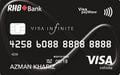
No card guarantees a high limit, because the bank sets your limit based on your income, your existing commitments and your repayment history. Premium cards come with higher minimum incomes, so check your income against the card's minimum before you apply. On RinggitPlus, the CIMB Visa Infinite and UOB Visa Infinite ask for RM120,000 a year. The Maybank Islamic Ikhwan Visa Infinite Card-i asks for RM100,000 and the RHB Visa Infinite asks for RM150,000. Compare premium cards on our VIP credit cards page, and read how to increase your credit card limit.
What are the benefits of having a credit card?
A credit card can earn cashback, reward points or air miles on spending you'd make anyway. Travel cards add perks such as airport lounge access and complimentary travel insurance. You also get an interest-free period on eligible retail purchases when you repay the statement balance in full. Some cards come with sign-up gifts during selected promotions. Responsible use can also help build your credit profile. Pick the benefit that matches your spending, then compare cashback, travel or rewards cards.
Can I get a credit card without income proof?
Yes, a fixed deposit-backed card needs no income proof. You place a fixed deposit with the bank, usually equal to your credit limit, and the bank holds it as security. Retirees are also exempt from the income requirement. Ask your bank whether it offers a fixed deposit-backed card. Our guide explains what secured credit cards are and how to get one.
Can I get a credit card as a fresh graduate or while on probation?
Yes, if you meet the card's minimum income and the bank accepts your documents, though approval isn't guaranteed. Banks assess your income, employment status and existing commitments. At some banks, a new employee can use a letter of employment instead of payslips (Hong Leong Bank accepts one). A fixed deposit-backed card needs no income proof at all. Requirements differ between cards and banks, so use our eligibility tool to check which cards you qualify for before you apply.
Compare Credit Cards And Apply Online
Start with the eligibility tool to see which cards you're likely to get, then compare the category that matches where you spend most. Our credit card guides cover limits, balance transfers and cancelling a card if you want more detail first. If you need help choosing, chat with the RinggitPlus Cards Assistant on WhatsApp at +603-9078 0880 or email us at [email protected].